Eliene-focused buying decisions are very successful when you evaluate gemstone quality, craftsmanship, and supplier reliability rather than only price. This guide defines what “Eliene” typically refers to in the market, outlines practical evaluation criteria, and presents supplier-facing steps. Background sections explain how pricing, materials, and documentation work across reputable jewelry channels.
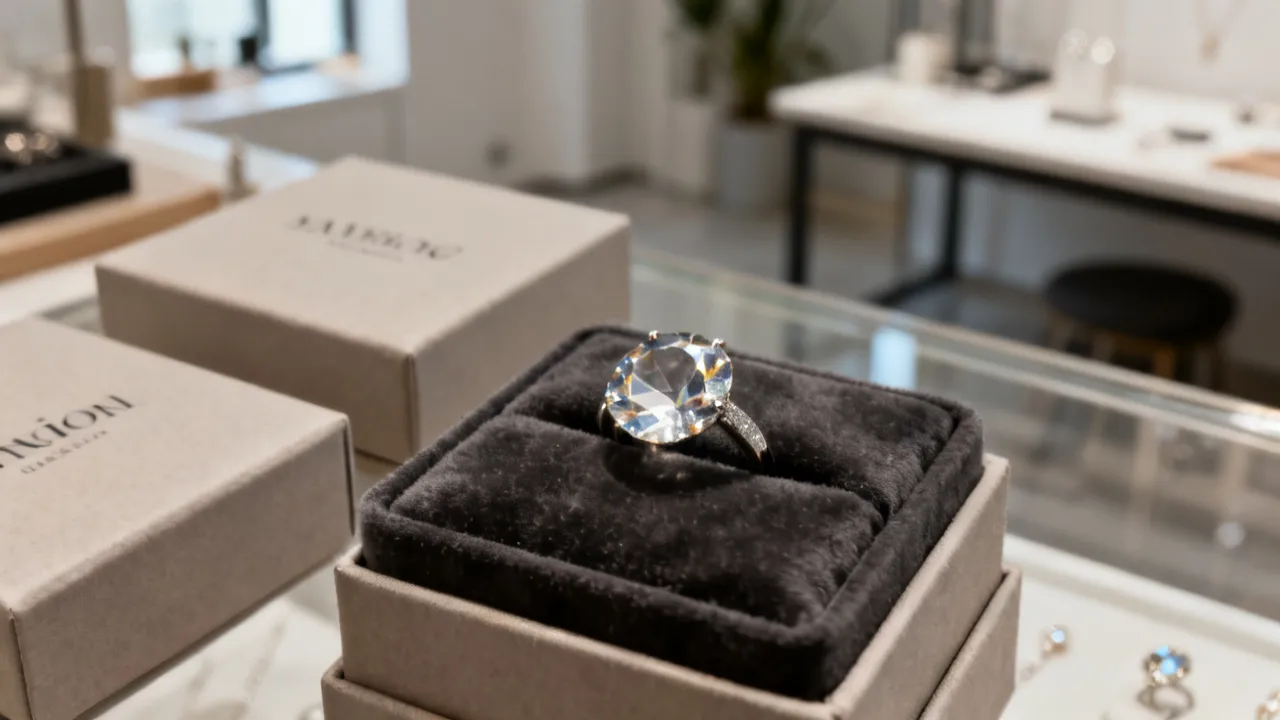
When shoppers consider “Eliene,” the smartest approach is to evaluate materials, workmanship, documentation, and supplier transparency alongside any listed price. In jewelry—where small differences in cut, setting method, metal purity, finishing, and even the way a clasp is engineered can strongly influence daily comfort and long-term durability—price alone rarely predicts satisfaction. A piece that costs less may be perfectly fine for its intended use, while a more expensive listing may still underdeliver if the specifications are vague or if the workmanship is inconsistent. The goal of this guide is to help you approach Eliene selections with an evidence-based mindset: confirm what you’re actually buying, assess supplier credibility, and compare total value rather than a single number.
In many retail and wholesale contexts, “Eliene” is used as a brand name, product line designation, or collection identifier. Because naming conventions differ by region and seller, buyers should treat the term as a starting label rather than proof of origin, purity, or gemstone identity. The evaluation therefore must focus on tangible specifications (metal karat or hallmark grade, gemstone type, treatment disclosures, and care requirements) and on sourcing integrity (invoice traceability where applicable, warranty language, consistent product photos, and service policies that reflect real jewelry maintenance needs).
Below, you’ll find an expert-style framework for comparing Eliene-related offerings, including what to ask suppliers, how to interpret price differences responsibly, and how to reduce quality risk. Throughout, the emphasis stays on observable criteria and verifiable documentation.
The term Eliene may appear in catalogs as a brand, line, or model name. In practice, that label can be associated with varied product types—rings, earrings, pendants, bracelets, or curated gift sets—each with distinct material and craftsmanship considerations. For objective comparison, treat Eliene as a collection identifier and verify the underlying composition and construction.
From an industry perspective, reputable sellers typically provide at least the essentials: metal purity (for example sterling silver versus gold alloys), gemstone identification (natural versus lab-grown categories where applicable), and whether any treatments are used. If these details are absent, mismatched across listings, or contradicted by the product photos, it becomes difficult to assess quality and increases the probability that “Eliene” functions primarily as a marketing label rather than a meaningful quality guarantee.
It also helps to remember that the same “brand or collection” name can be used across different manufacturing batches or supply partners. Even within a single collection, product specs can shift: a similar-looking ring might use a different stone substitute; an “inspired” design might switch from one metal alloy to another; a plating thickness might vary. For these reasons, the practical evaluation must focus on the exact listing you’re buying, not on what you remember from older listings or unrelated platforms.
It’s tempting to interpret a “top price” as the top value, but in jewelry that can be misleading. Price differences often reflect a combination of factors such as:
However, price can also vary for reasons that have nothing to do with “better quality,” such as promotions, channel differences (marketplace reseller versus direct seller), inventory timing, or regional taxes and import duties. Therefore, the goal is not to avoid price comparisons, but to compare price relative to specification. A fair price is the one that matches the material and workmanship you are receiving, along with support services you can rely on if something goes wrong.
If your goal is “Eliene at a fair price,” focus on building a clear specification baseline first. Only then should you compare sellers. This approach aligns with widely accepted consumer due-diligence practices and reduces the risk of paying more without receiving better materials or workmanship.
One useful buyer mindset is to treat the listing price as a budget for components. Ask yourself: “How much of that price is plausibly allocated to metal purity, stone quality, labor, finishing, and support?” When the seller can’t explain any of those categories—especially the biggest cost drivers like metal grade and stone identity—you’re not just paying for ambiguity; you’re paying for uncertainty.
For Eliene purchases, supplier credibility matters as much as material quality. A supplier can offer a compelling price but still present risk if they cannot provide documentation, warranty terms, transparent materials statements, or consistent product descriptions. In commercial channels, reliable suppliers typically:
As an industry expert, I recommend treating supplier communication quality as a measurable factor. If a seller avoids direct answers—such as refusing to confirm metal purity, dodging gemstone identity questions, or changing details after you ask—this is a warning sign. Conversely, a supplier who explains differences between comparable Eliene pieces (for instance, varying cuts or finishes) demonstrates product maturity and accountability.
It’s also wise to evaluate how the supplier handles corrections. If you receive a listing that says “gold” but you later confirm it’s “gold tone plated,” a credible supplier should correct the misunderstanding proactively, not defend ambiguity. Some buyers also overlook that documentation and messaging matter for after-sale care: a seller that clearly indicates cleaning method and care restrictions reduces the odds of damage and disputes later.
Supplier reliability is not only about honesty; it’s about operational readiness. For example, a supplier who promises certain specifications must be able to fulfill them across orders, not only for the one product photo. If a seller’s images show one metal finish while the shipped item arrives in another shade or with a different stone type, then the “brand” label becomes less meaningful than the supplier’s fulfillment accuracy.
Because Eliene items can range from everyday pieces to special-occasion designs, evaluation should be tailored. Still, there are core checks that consistently predict satisfaction.
Ask whether the metal is explicitly identified (e.g., sterling silver, 14K gold, 18K gold) and whether hallmarks are present according to region standards. For plated items, clarify thickness and plating method when possible. Jewelry that blurs “gold tone” with “gold” can lead to mismatched expectations and faster wear-out of the finish.
To make this practical, buyers can look for:
Even if you cannot test metal at home, you can often detect inconsistencies in language. “Sterling” should mean sterling (commonly 92.5% silver in many standards). “Gold vermeil” should imply a specific relationship between silver base and gold layer thickness in a consistent definition. If the listing never defines the metal category and only uses marketing terms like “premium,” you lose the ability to judge actual quality.
For plated designs, durability is strongly tied to coating thickness and base metal quality. Buyers should confirm: is the plating resistant to routine contact wear? Are there care instructions that preserve plating longevity? The best sellers do not hide this—they explain it so you understand how to maintain the finish.
If the Eliene piece includes stones, confirm the following:
Even when budget is a factor, transparency reduces the chance of dissatisfaction. A credible supplier should be comfortable explaining stone identity in plain terms, not just using vague descriptors like “sparkle crystal.” If you see multiple listings claiming “crystal” but different hardness and performance expectations are implied, ask for the exact material category.
When buyers misunderstand stone identity, it often shows up later as complaints about scratching, dullness, or uneven “fire” (sparkle behavior). For example, a stone substitute may be acceptable for fashion jewelry, but it may not meet the same expectations as a genuine gemstone or a lab-grown counterpart. A disciplined buyer reduces risk by aligning intended use with stone category.
Additionally, look for setting workmanship. A well-set stone is less likely to loosen. Poor prong alignment can chip stones or cause a stone to sit unevenly. Bezel settings should provide consistent coverage without visible gaps or uneven edges that snag on clothing.
Inspect for comfort and durability cues. Even without specialized tools, buyers can check for signs that predict day-to-day wear experience:
For rings, pay attention to band comfort and how the setting interacts with the wearer’s finger. A ring’s “profile” matters: if the setting is high or sharp-edged, it catches on fabric and can be uncomfortable during everyday wear. For earrings, check post or backing stability and whether the design causes imbalance or frequent adjustment.
Although photographs can be imperfect, consistent photo angles help. If the seller provides multiple angles (including close-ups of the setting and closure), that can be a positive sign. If they refuse close-ups or use photos that do not show critical details, that may reflect uncertainty about specifications—or simply a lack of diligence.
For premium or gift-grade Eliene selections, documentation can be a practical safeguard: metal purity statements, care instructions, and—where relevant—stone characterization records. Not every item will include formal certificates, especially at lower price tiers, but responsible sellers still provide basic disclosure.
Documentation can include:
If documentation is absent, it is not automatically a sign of fraud—some sellers operate with minimal paperwork. But it does shift the buyer’s responsibility: you should ask more targeted questions or choose a listing where the essential details are written clearly.
When you receive an item, keep the packaging or purchase record. If a dispute arises regarding metal or stone identity, you will need the listing details and order proof. This is especially important for cross-border orders where the legal and procedural definitions of terms may differ.
Once you have two or more Eliene options, compare them using an “apples-to-apples” method. Do not compare only by appearance; compare the specs and the support behind the product.
This approach is especially important if you purchase Eliene jewelry through different channels (for example, a marketplace listing versus a direct supplier arrangement). You may see different prices; your job is to ensure the underlying item is genuinely comparable.
To further improve accuracy, buyers can also compare “perceived quality” markers that often correlate with true workmanship:
Some sellers provide “spec sheets” or detailed line items. If you find one supplier with a more structured spec presentation, you can treat that as a quality signal. It suggests the seller knows what they are selling well enough to standardize its description.
When you shop for Eliene items nearby, you gain advantages that online-only buying can’t fully replicate. You can inspect the metal finish under real lighting, confirm clasp fit directly, and see the stone setting from angles that show how it catches light naturally.
In many communities, customers prefer to check jewelry around local commercial districts—where customers can compare multiple counters or small boutiques without committing to shipping risks. That can be particularly helpful for evaluating:
Even without naming a specific city or country in your keywords, the local principle remains consistent: nearby shopping encourages practical verification. For many shoppers, this matters because jewelry quality is not purely theoretical. A clasp that feels secure in-store or a stone setting that appears well-finished under natural light can be the difference between delight and regret.
Additionally, local purchasing can offer faster service. If you need cleaning, minor adjustments, or resizing, local shops may be able to handle it sooner. While warranty terms still matter, the practical advantage of quicker service reduces the friction of after-sale issues.
If you are comparing local sellers with online Eliene sellers, use the in-store item as a “spec baseline.” Confirm the metal and stone category for the in-store piece, then look for online listings that match those specs. This turns the online search into a controlled comparison rather than a guessing game.
Below is a supplement designed to help you apply the above principles as you evaluate Eliene suppliers. It is written as a comparison table, a step-by-step guide, and a set of conditions/requirements.
| Criteria | What to Look For (Reliable Eliene Suppliers) | What to Question (Higher Risk) |
|---|---|---|
| Product specifications | Clear metal purity, stone identity, dimensions, and setting style per item | Vague descriptions, generic claims, or inconsistent specs across listings |
| Price justification | Price tied to measurable factors (purity, stone type, size, finish) | Price presented without any material reasoning or with shifting details |
| Documentation | Care instructions and disclosure statements appropriate to item category | No disclosure of treatment or composition; unclear warranty language |
| Communication | Answers specific questions about metal and stones; consistent tone and timelines | Refuses to clarify, gives contradictory answers, or avoids direct questions |
| After-sale support | Defined return/repair conditions; realistic service steps | Unclear returns, restrictive conditions hidden in small print |
| Image consistency | Photos show critical areas (clasps, prongs, hallmarks, settings) and match text specs | Photos that obscure key details, or images that appear inconsistent with materials |
| Packaging and shipping protection | Protective packing suitable for jewelry; clear shipping/handling notes | Minimal packaging, vague handling language, or no damage policy |
| Customization policy (if relevant) | Clear rules for resizing, engraving, or stone changes before/after purchase | No clarity on customization risks, added costs, or eligibility for returns |
“Eliene” is commonly used as a brand name, collection label, or product identifier. It does not automatically guarantee a specific material or gemstone standard. You should verify the underlying metal purity, stone identity, and disclosed treatments, and you should ensure the listing’s wording matches the images and warranty language.
Price differences often reflect changes in metal purity, gemstone category, size, and craftsmanship. To interpret value correctly, compare items using the same specifications—not only the final price. If the specs differ, then “more expensive” does not necessarily mean “better,” but it might mean “different materials and different expectations.”
The very important factors are clear product specifications, transparent documentation, consistent product presentation (including images that show critical details), and realistic after-sale support (returns, repairs, and warranty language). A supplier that is easy to communicate with and offers clear service steps is often a lower-risk choice even if the initial price is not the absolute lowest.
Not always. Certification practices depend on the product tier and gemstone type. However, responsible suppliers still provide meaningful disclosure and care information. If a listing uses premium gemstone language that suggests a specific certification standard, it should be supported by appropriate documentation or explicitly explained. If certification is not included, the supplier should still clearly describe the stone category and any treatments.
In-store, inspect metal finishing under good lighting, check clasp security, and confirm hallmark markings. Ask direct questions about composition and care. Nearby shopping can reduce uncertainty because you can physically evaluate comfort and workmanship, and you can also compare items side-by-side to see differences in finish, stone set quality, and overall balance.
Marketing terms like “luxury,” “premium sparkle,” or “exclusive design” do not replace the need for metal purity and stone identity. If the supplier doesn’t provide these details, ask for the exact material category and the care expectations. If they cannot provide a concrete explanation, it’s safer to choose another listing where essential specs are documented.
Use a checklist: confirm metal category (solid/plated/coated), confirm hallmark or stamping statement, confirm stone type (natural/lab-grown/substitute), confirm treatments, and confirm setting method. Then verify that the warranty/returns align with your needs. If possible, request additional photos of the hallmark area, closure mechanism, and stone setting from multiple angles.
Choosing Eliene jewelry at a satisfying value requires disciplined comparison. The best-performing buyers focus on verifiable specifications, supplier reliability, and craftsmanship signals—then use price as a secondary measure. This approach mirrors professional procurement logic: quality is not merely a cost attribute; it is a combination of materials, workmanship, and accountable sourcing.
If you apply the step-by-step guide and use the comparison criteria above, you’ll be better positioned to select an Eliene piece that matches your expectations in appearance, durability, and good care.
Note on sourcing of claims: This article emphasizes evaluation principles and avoids unverifiable performance statistics. For any supplier-related verification (warranty terms, material statements, and returns), rely on the supplier’s written disclosures and your own item inspection whenever possible.
A Guide to Cost-Efficient Small Electric Cars for Seniors

Mastering Debt Consolidation: Boost Your Credit Score and Manage Interest Rates

Your Guide to Loans, Credit Checks, and Interest Rates

Affordable Independent Living: Finding the Right Senior Housing

Guide to Senior Living Apartments: Affordable and Comfortable Environments

Leasing a Car: Expert Tips for Your Next Vehicle

Maintaining Oral Health After Tooth Loss with Dental Implants

Maintaining Oral Health with Dental Implants for the Elderly

Ryugfiih: Supplier Insight and Procurement Guide


Understanding ryugfiih: Buyers, Pricing, and Sourcing
This guide explains how ryugfiih-related products are evaluated, priced, and sourced, with practical industry perspectives on supplier selection and risk control. Backgroundly, ryugfiih functions as a keyword signal tied to procurement decisions, quality screening, and supply-chain alignment. The article outlines what buyers should verify, how pricing is typically structured, and which requirements reduce mismatches across orders.

Understanding Ryugfiih: Sourcing, Pricing, and Fit
This guide explains ryugfiih and how to evaluate suppliers, pricing structure, and product fit with an evidence-led approach. Objectively, ryugfiih is treated here as a sourcing and procurement keyword used to describe a category of goods or services whose quality and terms depend on vendor capability, specifications, and procurement conditions.
Practical Guide to Muler Belada: Fit, Care, Value
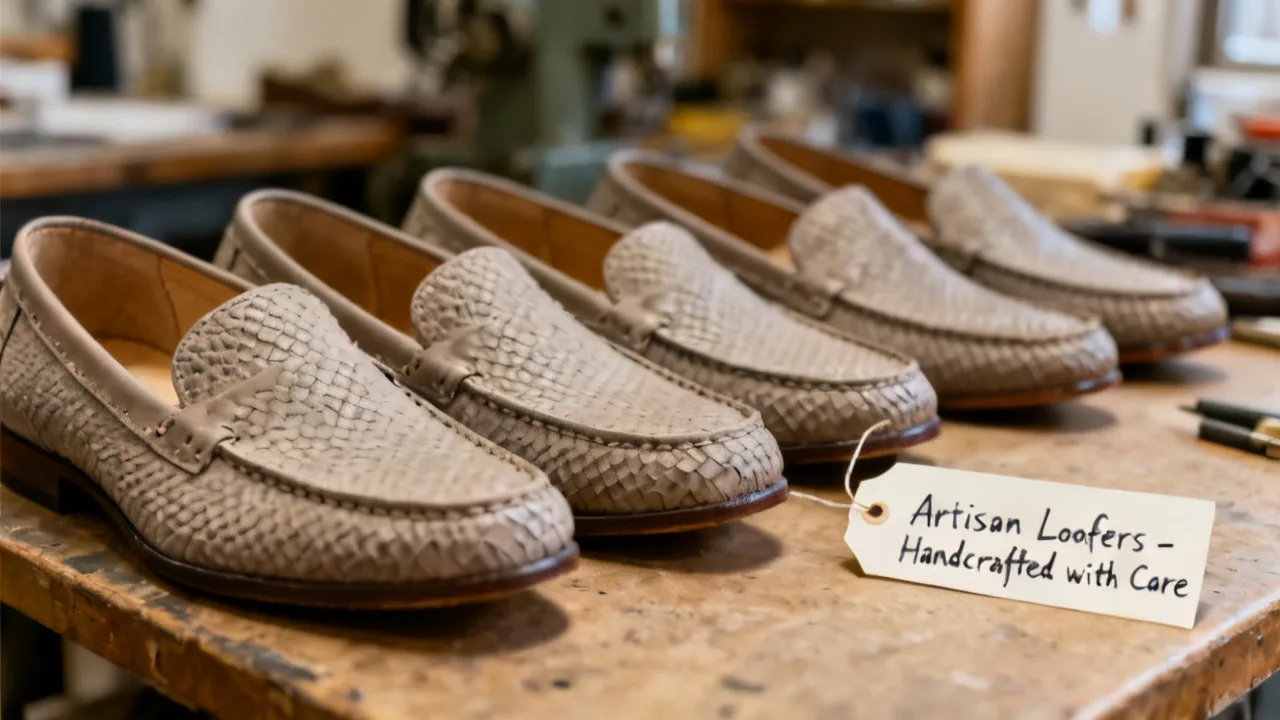
This guide helps you understand Muler belada by focusing on fit, materials, styling, and responsible value decisions. Objectively, “muler” footwear generally refers to slip-on mule designs, while “belada” points to a particular style or variant. You’ll also find expert considerations and practical requirements for choosing and maintaining the right pair.
Understanding Muler Belada: Uses, Sourcing, and Care
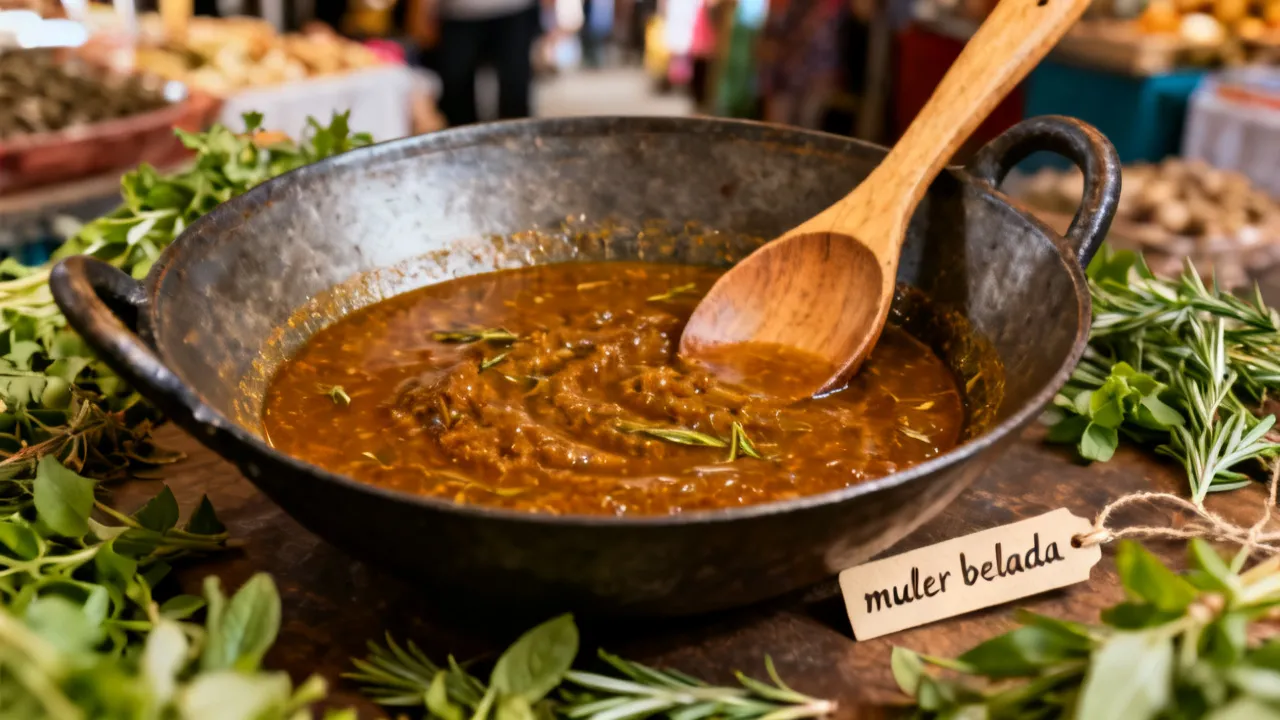
This guide explains what muler belada typically refers to, how people choose it in local markets, and what buyers should evaluate before purchasing. Objectively, muler belada is often discussed in culinary and folk-practice contexts, where quality depends on ingredient composition, handling, and reputable sourcing. The article also compares supplier considerations and requirements for safe use.

Investigating Modestoavesmartinsa Contact Details
This guide explains how to responsibly evaluate a business contact email—[email protected]—within a broader procurement and compliance context. It provides objective background on what email-based supplier contact typically means, why verification matters, and how buyers can structure outreach and requirements documentation to reduce risk.

Modestoavesmartinsa: B2B Supply Guidance and Contact
This guide explains how to approach Modestoavesmartinsa for B2B supply discussions, from initial outreach using [email protected] to evaluating sourcing conditions. Objectively, the keywords reflect a practical contact pathway and supplier-style communication. You’ll also find structured requirements, comparison guidance, and FAQs to support consistent vendor screening and decision-making.
